Delaney Buttes & Lake John Flies — Chironomid & Leech Patterns for North Park Stillwater
For years, the Colorado stillwater conversation defaulted to South Park: Antero, Spinney, Eleven Mile. With Antero drained for 2026 and the remaining South Park waters absorbing every displaced angler in the state, the drive north to Delaney Buttes and Lake John in North Park is suddenly the smartest play on the map. Less pressure, water that's arguably more interesting, and trophy fish that fight harder than anywhere else in the region.
Why Delaney Buttes?
Delaney Buttes is actually three lakes — North, South, and East Butte — each with distinct characteristics and fish populations. The fishery is managed specifically for trophy trout, with special regulations that protect large fish. The result is one of the most consistent big-fish stillwaters in the region, with rainbow and brown trout exceeding 20 inches regularly. The chironomid hatches here are prolific.
The crowds, even now, are a fraction of what you'll find at Antero on a spring weekend — or what you'll find at Spinney for the next several seasons, now that displaced Antero anglers have crowded into South Park. North Park's geographic isolation does the gatekeeping for you. The three-hour drive from Denver is the same as it was to Antero, but the experience on the water is what you wish South Park still felt like.
The Three Delaney Lakes
Each Delaney lake has its own character. Plan accordingly:
- North Delaney — The largest of the three. Open shoreline flats around the perimeter make it the most accessible for shore anglers. Best for indicator chironomid fishing in spring and fall.
- South Delaney — Has deeper water sections where bigger fish hold during the warmer months. A tungsten-beaded pattern like our Chocolate Gold or Burnt Wino is particularly effective in the deeper South Butte sections.
- East Delaney — The smallest and most intimate. Slower-paced fishing, but quality eats for anglers who don't mind the slower rhythm. The one to fish on a windy day when the bigger lakes are unworkable.
Lake John
Lake John, in North Park near the Wyoming border, is a plains reservoir with extraordinary food production. Fed by the North Platte River drainage, the water is rich in chironomids, damsels, and leeches. The rainbows and browns here grow exceptionally fat and fight harder than almost any stillwater fish in the region. Early spring and late fall are peak seasons, with fish consistently pushing 18–22 inches.
What separates Lake John from the Delaney complex is shoreline access. Most of John is wadeable, and shore anglers do as well as boat anglers on most days. If you're making the North Park drive without a boat, Lake John is the higher-value water of the two — you can fish it hard for a full day with just waders and a 6-weight.
When to Fish North Park
North Park sits a bit lower than South Park's stillwaters but is enough farther north that the season timing skews. Plan accordingly:
- March–April (ice-off): Later ice-off than Antero/Spinney by 1–2 weeks. Once it opens, the fishing is electric — fish in 6–10 ft, hungry, with significantly less pressure than the South Park rush.
- May–June (chironomid prime): Reliable hatches. Wind becomes a major factor in the open North Park plains — build your day around morning windows.
- July–August (slowdown): Warmer water, fish push deeper. Damsel emergences become a morning target. North Park's cooler nights mean dawn fishing here outperforms most lower-elevation lakes.
- September–October (fall window): The biggest fish of the year. Leech patterns dominate. Crisp mornings, sharp afternoon light. If you only get one trip, this is the window.
- November to ice-on: Short, cold window. The fish that hit are giants, but the conditions are punishing.
What to Fish: Chironomids
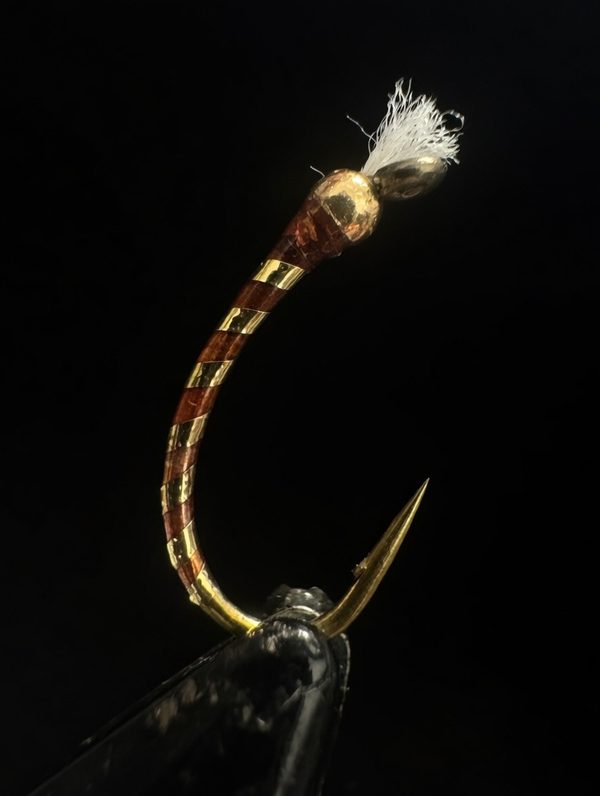
Both Delaney Buttes and Lake John respond exceptionally well to chironomid fishing under indicators. Standard South Park patterns work — black, red/brown, and olive in #14–16 — but the fish here are generally less pressured and more willing to eat. A tungsten-beaded pattern like our Chocolate Gold or Burnt Wino is particularly effective in the deeper sections of Delaney's South Butte. For shallow ice-off fishing, a Snow Cone or Chirono'midge' in #16 produces consistently.
Leech Patterns at Lake John
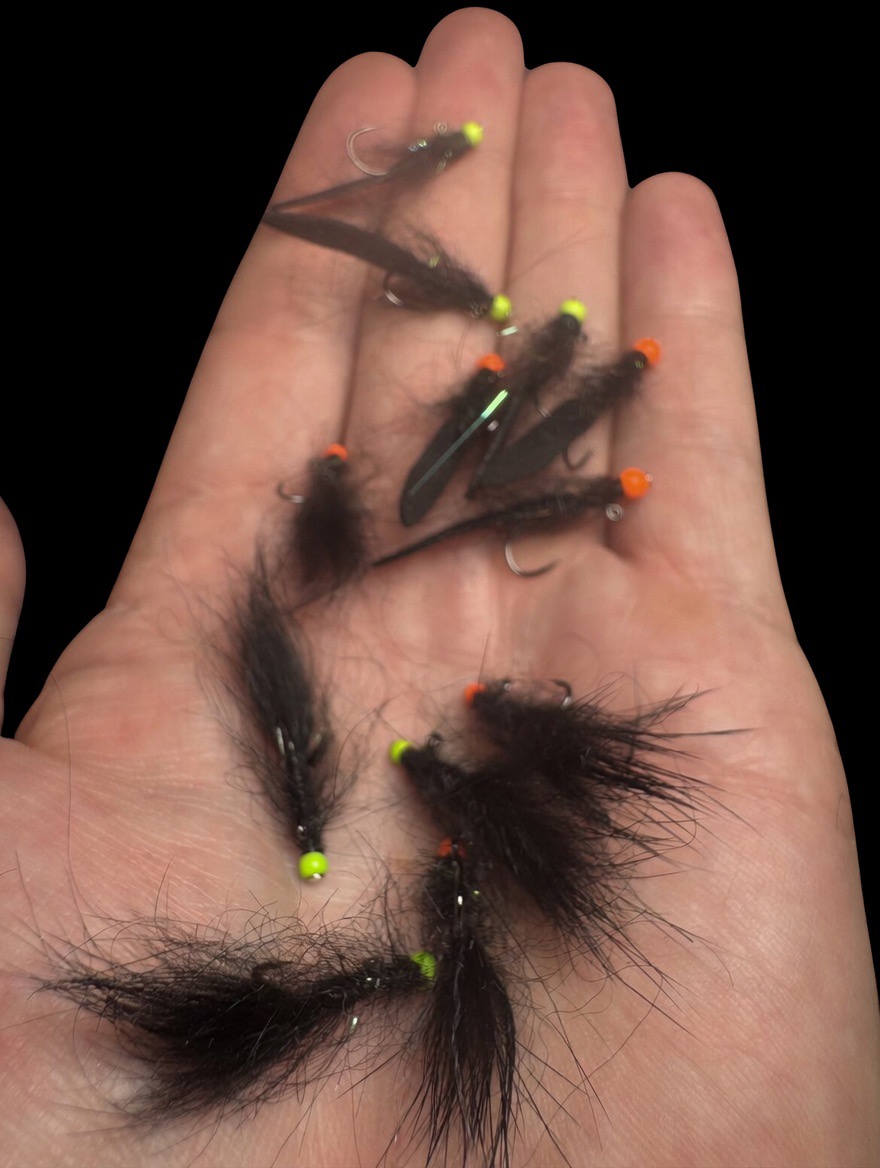
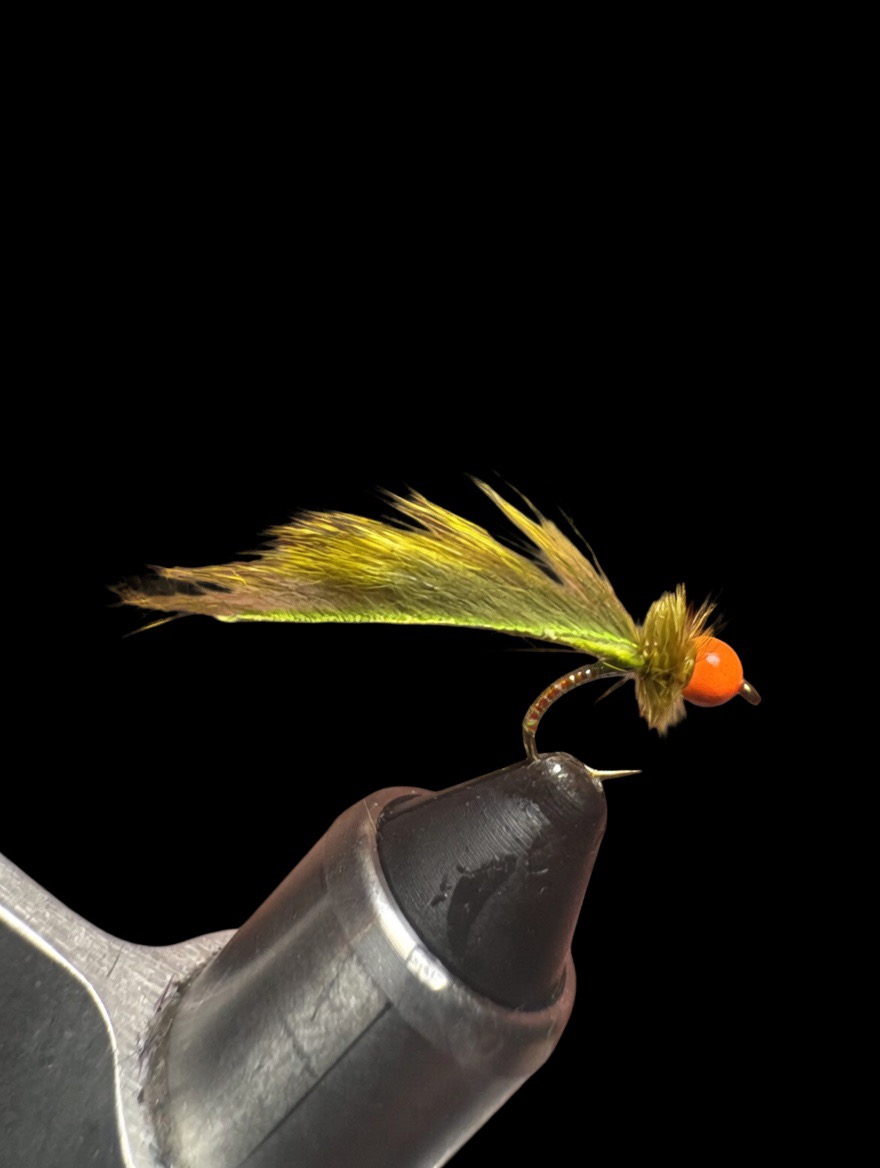
Lake John is leech water. The food base supports a year-round leech population, and the fish here key on leech profiles in a way that's less consistent at Antero or Spinney. For shore anglers, suspend a Balanced Leech two to four feet off the bottom — orange bead with a black or olive marabou tail is the Lake John staple. When fish are sitting in the film during damsel migrations, switch to a Mayer's Leech hung just below a small indicator — the slim profile drops faster and gets eaten in the surface column. In pressured conditions or on bluebird days when the water clarity spikes, downsize to a Micro Leech on a #16 hook — same color combinations, more subtle, often more effective when the larger leeches get refused.
Indicator Setup at North Park Waters
The same depth-first principle that applies at Spinney applies in North Park, with one wrinkle: these waters tend to have less crystal clarity than Spinney, which means fish are slightly more aggressive about taking patterns at unusual depths. Still — don't camp on one depth for 45 minutes. Work the column the way you would on any chironomid water: drop a foot at a time from the indicator down, mark the eat depth, and stay in the zone.
For Lake John specifically, shorten your leader. The wadeable flats fish best with a 7-foot leader to indicator and 4–6 feet of fluoro to the fly. Long, complicated rigs make casting in the North Park wind miserable. For full breakdowns: our indicator-fishing setup post and our chironomid depth-control deep-dive.
Wind & Weather in North Park
The North Park plain is open, exposed, and gets hammered by wind. It sits somewhere between Spinney's "windy afternoon" pattern and full Wyoming-plains exposure. Three rules:
- Get there early. The morning calm window is two to four hours, then it builds. Sleep in and you've lost half the day.
- Fish the windward bank. Same principle as anywhere: wind pushes food, food pulls bait, bait pulls trout. If you can cast into the wind comfortably, the eats are bigger.
- Watch the weather. North Park summer storms build fast and can pin you on the bank for an hour with no warning. Cell service is spotty; check the radar before you leave the truck.
On the worst wind days, fish East Delaney. It's the smallest and most sheltered of the three Buttes, and it can stay workable when the larger lakes are whitecapping.
Worth the Drive
The drive from Denver to Delaney Buttes is about 3 hours — comparable to what Antero was. The difference is what you find when you arrive: uncrowded banks, hungry fish, and scenery that feels genuinely remote. With Spinney and Eleven Mile absorbing the post-Antero displaced traffic, North Park is the move for anglers who want the experience Colorado stillwater used to deliver — before everyone figured it out.
We guide Delaney Buttes and Lake John throughout the season. If you want less competition and more fish, this is your trip.
If Antero was your home water: Antero is being drained for 2026 — full breakdown here. North Park is the longer drive, but it's the move that gets you back to the kind of stillwater experience Antero used to provide. Spinney is the closer South Park substitute, but the crowds there are heavy in 2026.
Recommended reading: the best chironomid fly patterns, our balanced leech guide for Colorado stillwater, the Spinney Mountain guide, and our trophy trout playbook.
Get the Patterns Used in This Article
Every fly mentioned in this guide is hand-tied fresh to order by Thomas Frank. Proven on Colorado's best stillwaters — tied on 2x heavy wire hooks with tungsten beads.
Comments